
How can organisations build menstrual health education into their Diversity, Equity, and Inclusion (DEI) programs to create a more supportive workplace?
Integrating cycle awareness into workplace policies and wellbeing strategies reduces stigma, supports employee health, and ensures menstruators can participate fully without disadvantage.
What Is the Link Between Menstrual Health and DEI Programs?
Menstrual health and DEI initiatives share the same core goal: creating fair, supportive environments where everyone can thrive. Menstruation is an everyday biological rhythm that affects around half the global population for decades of their lives.
When a DEI program overlooks menstrual health, it leaves out an essential part of bodily wellbeing and inclusion. Sustainable workplace inclusion means offering equal dignity, psychological safety, and practical support across all life stages.
How Does Menstrual Stigma Affect Workplace Inclusion?
Navigating a demanding workday, high-stakes meetings, or physical tasks while managing cramps, migraines, or fatigue can be challenging-especially when workplace culture expects staff to hide what they are experiencing.
In many Australian workplaces, menstruation remains a taboo topic. When people feel unable to speak openly about their physical needs, a culture of silence and “pushing through” takes hold.
The United Nations Population Fund (UNFPA) recognises menstrual health as an essential part of dignity, equality, and human rights. Unaddressed stigma and outdated attitudes can contribute to workplace inequality, creating hidden barriers to career progression and daily comfort for employees who menstruate.
Why Is Menstrual Health Education Crucial in Diverse Workplaces?
Menstrual cycle education provides teams with clear facts and a respectful, shared vocabulary. When co-workers and leaders understand the basics of the cycle, natural hormonal shifts are no longer treated as something awkward or disruptive.
As research from the Burnet Institute highlights, positive menstrual health relies on access to:
- Accurate, practical information
- Quality period products
- Timely healthcare support
- A supportive social and physical environment
Workplaces that embrace education help reduce stress, build trust, and ensure staff feel valued throughout every phase of the month.
What Are Schools Missing in Supporting Tweens Through Menarche?
Schools have a profound opportunity to foster cyclical living, yet significant gaps in support remain, making an already sensitive transition feel unnecessarily difficult.
The Gap in Menstrual Education
While basic biology is often taught, practical menstrual cycle education is frequently missed. Many curriculums gloss over common symptoms, practical care, and the emotional aspects of cyclical health. Being unprepared can lead to heightened stress and a sense of isolation.
Young menstruators need guidance on working with their natural rhythms, delivered by educators who feel confident and informed. This is where practitioners trained by Cyclical School can make a profound difference, helping institutions implement holistic education.
Lack of Accessible Period Products and Facilities
While more schools are providing free products, physical supplies alone do not solve the problem. True support requires a cultural shift. If a student feels too embarrassed to access these products or manage their symptoms openly, the barrier remains.
Schools must ensure access to clean, private facilities while actively fostering an environment where menstrual health is treated as a standard aspect of wellbeing.
How Period Stigma Plays Out in the Classroom
As already mentioned in the impact section, neglecting cycle awareness creates environments where young menstruators miss out on education and extracurriculars.
The culture within sports often prioritises pushing through pain, teaching students to ignore their body’s signals rather than managing their cyclical needs. This pressure to perform regardless of the cycle phase can lead tweens to dismiss pain that might actually indicate a need for health support.
Missing school and social activities limits development and increases isolation. By integrating cycle awareness, schools can ensure that the menstrual cycle never becomes a barrier to a student’s full participation.
What Are Parents Missing When Supporting Tweens at Home?
Caregivers are a primary source of guidance, yet many feel ill-equipped to discuss periods, leaving a critical gap in a tween’s support system.
Barriers to Open Conversations
A frequent misstep is waiting until physical changes are well underway before initiating a conversation. This delayed approach can leave tweens feeling caught off guard. Starting age-appropriate conversations early helps normalise the experience.
Caregivers may also need to gently unpack their own past experiences; if an adult holds unresolved shame or trauma regarding their own cycle, they may inadvertently pass that apprehension down.
Creating a calm, supportive space requires adults to first feel grounded in their own cyclical understanding.

Cultural Attitudes and Period Shame at Home
Shame surrounding menstruation is often generational. If a family treats the menstrual cycle as a secret, a tween will quickly absorb that perspective. Conversely, when a parent frames menstruation as a healthy, natural rhythm, the tween is far more likely to adopt a positive outlook.
Acknowledging and unlearning inherited cultural taboos is a vital step in empowering the next generation to speak openly about their needs and boundaries.
Practical Preparedness: Supplies, Knowledge and Self-Advocacy
Support is highly practical. Beyond ensuring a steady supply of preferred products, caregivers need to teach self-advocacy. Introducing cycle tracking allows tweens to identify their own patterns and recognize when their energy shifts.
When adults model that resting and asking for help are responsible choices, young menstruators learn to honour their physical needs rather than attempting quick fixes or ignoring their discomfort.
What Are the Impacts of Menstrual Stigma in Australian Workplaces?
In Australia, unaddressed menstrual stigma quietly impacts workplace participation, team wellbeing, and productivity. While many businesses have made great strides with broader DEI goals, cyclical health often remains unmentioned. This silence can lead to unnecessary discomfort and lost potential across teams.
Common Misconceptions and Biases Related To Menstruation
For generations, people have been socialised to keep menstruation private, as noted by researchers like Dr Julie Hennegan at the Burnet Institute. This secrecy fosters common misconceptions-such as the idea that painful symptoms are merely an inconvenience to be endured quietly, rather than valid health needs that deserve practical adjustments.
These biases can reinforce gender gaps and leave employees feeling isolated when managing natural biological changes during work hours.
Personal and Professional Consequences of Menstrual Stigma
The practical impact of unmanaged menstrual symptoms on working life can be substantial. Many employees push through severe symptoms without adequate support, leading to presenteeism-being physically present at work but unable to focus or perform at one’s usual standard.
Research indicates that the economic burden of bothersome menstrual symptoms in Australia is around AUD$14.2 billion each year, largely driven by lost productivity. Studies highlight several key trends:
- Presenteeism accounts for a much larger share of lost productivity than taking sick leave.
- Affected employees experience an estimated 15% to 33% reduction in daily productivity during severe symptom days.
- Symptoms can impact an average of 23.2 workdays per person each year.
Beyond numbers, an unsupportive environment can take a toll on mental health, energy levels, and long-term job satisfaction.
Barriers to Disclosure and Support for Staff
Silence around menstrual health makes it difficult for employees to ask for practical adjustments.
A 2024 workplace survey revealed that 44% of respondents had never discussed menstruation with their line manager, and only 17% felt comfortable doing so. Interestingly, nearly half of employers assumed their staff would feel comfortable raising the topic, revealing a clear gap in psychological safety.
Employees often worry that disclosing menstrual health challenges might:
- Cause others to question their reliability or commitment
- Negatively influence performance reviews or promotion opportunities
- Trigger penalties under rigid attendance monitoring formulas (like the Bradford Factor)
When staff fear being misunderstood, they may work through intense discomfort or offer vague reasons for absences, which prevents teams from finding workable, supportive solutions.
Why Build Menstrual Health Education Into Your Dei Strategy?
Embedding cycle awareness into a DEI strategy is a proactive, compassionate step toward true equity. Genuine inclusion means acknowledging all aspects of health that influence how people feel and perform at work.
Benefits for Gender Equity and Workplace Wellbeing
Menstrual cycle education normalises biological rhythms as a standard part of human health. When teams understand how the body works, it removes shame and ensures no one is disadvantaged simply because of their natural physiology.
This supportive approach helps reduce stress, encourages open communication, and supports sustainable lifestyle practices across organisations, boosting overall wellbeing and team retention.
Addressing Intersectionality: Cultural, Indigenous and LGBTQIA+ Considerations
An inclusive strategy recognises that menstrual experiences vary across different communities. Using inclusive phrasing like “people who menstruate” ensures everyone feels seen, as not all women menstruate and not all who menstruate identify as women.
Key considerations include:
- Transgender men and nonbinary individuals who menstruate may feel alienated by exclusively gendered language.
- Transgender women receiving gender-affirming hormone therapy may experience cyclical symptoms.
- Neurodivergent team members may experience sensory sensitivities or communication preferences that intersect with their menstrual cycle.
Cultural context is equally vital. In many communities, menstruation is regarded as deeply private. Programs like Share the Dignity’s Indigenous Menstrual Health initiative demonstrate the importance of culturally safe, respectful approaches for Aboriginal and Torres Strait Islander peoples. Responsive workplace education meets people where they are, honouring different backgrounds with dignity.
What Are Effective Strategies for Integrating Menstrual Health Into DEI Programs?
Creating lasting change requires practical systems rather than one-off workshops. Menstrual health support works best when woven into daily workplace policies and facilities.
Including Menstrual Health in Organisational Training and Policies
Clear, empathetic policies establish expectations and show staff where to turn for support. Helpful initiatives include:
- Practical training for managers focused on workplace adjustments without requiring intrusive medical details.
- Clear guidance for leaders to focus on solutions-such as flexible hours or temporary task adjustments-rather than demanding proof of symptoms.
- Clear workplace conduct standards that rule out derogatory jokes, assumptions, or attendance penalties for health needs.
- Consistent alignment with existing flexible working, sick leave, and occupational health and safety frameworks.
Introductory education sessions, similar to foundational health programs delivered in educational settings by bodies like Sexual Health Victoria, help build shared understanding and confidence across teams.
Providing Free Period Products at Work
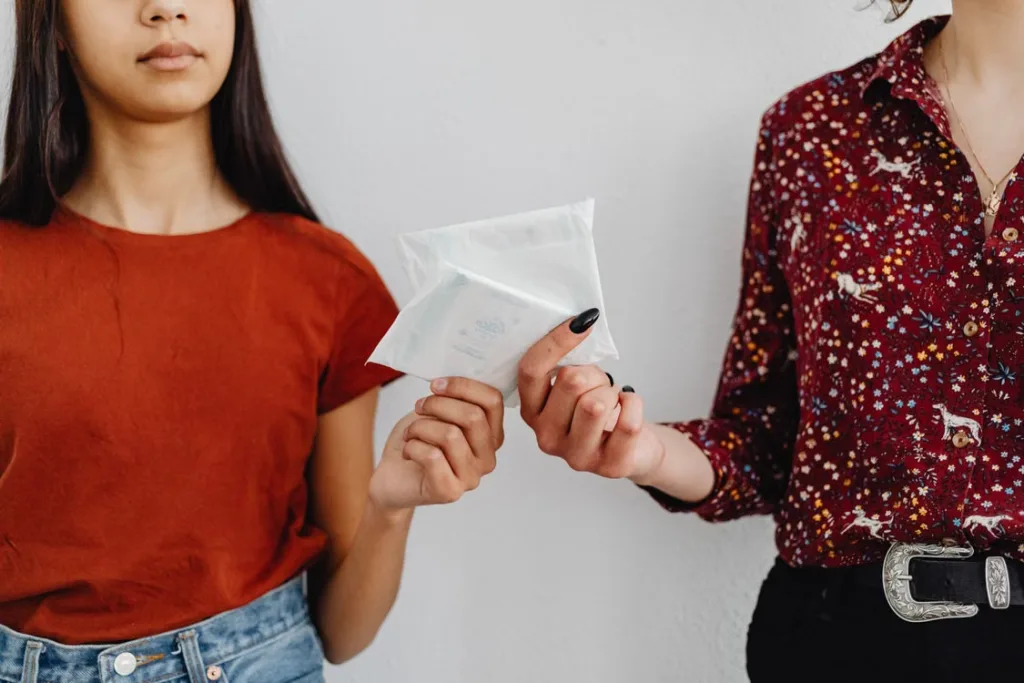
Providing complimentary menstrual products in workplace bathrooms is an easy, tangible way to show care and support dignity. To ensure full accessibility, facilities should include:
- A choice of pads, tampons, and period care essentials
- Clean warm water and soap for handwashing
- Private spaces and hygienic disposal units
Advocacy groups like Share the Dignity have led this movement across Australia through Dignity Vending Machines in community venues, schools, and hospitals. Adopting this standard within workplaces provides immediate peace of mind for staff.
Creating Inclusive Facilities and Language
Workplace environments should cater to everyone’s physical needs. A thorough review of facilities is particularly valuable in non-office settings like staff toilets, industrial sites, and field locations.
The EDICa study noted practical workplace challenges such as:
- Rigid, all-white lab uniforms that cause anxiety around leaks
- Offshore and remote work sites where access to private, clean facilities was limited
Upgrading disposal units, ensuring privacy, and adopting inclusive language across HR resources helps create a respectful and practical workplace for every team member.
Engaging Staff, Leaders, and Allies in Open Conversations
Workplace culture shifts when conversations are open and supportive. Leaders set the tone by speaking about cyclical health with ease and backing practical adjustments. Involving staff networks, health committees, and workplace allies ensures menstrual wellbeing is recognised as a shared cultural value rather than an individual burden.
How To Educate and Empower Staff About Menstrual Health
Empowerment begins with knowledge. Giving employees the resources to understand their cycles, recognise warning signs, and access appropriate support helps everyone make informed decisions for their health and work life.
Developing Tailored Menstrual Health Education Sessions
Well-structured, adult-focused education sessions build cycle literacy across teams. Key topics include:
- The basics of the menstrual cycle and natural hormonal shifts
- Understanding healthy variations versus common symptoms that warrant medical advice (such as severe pelvic pain, unusually heavy bleeding, or intense mood changes)
- Navigating workplace support options and flexible work policies
- Using respectful, inclusive language across all teams
These sessions reassure staff that their privacy is protected while outlining clear avenues for support whenever needed.
Resources for Professional Development and Support
Equipping people leaders and HR professionals with relevant skills helps them respond to support requests with empathy and clarity. Useful resources include:
- A practical menstrual health toolkit hosted on the company intranet
- Clear guidelines for health, safety, and workplace adjustments
- Information on when to consult healthcare professionals
- Direct links to Employee Assistance Programs (EAP) and internal support contacts
Sharing resources in accessible formats-including short guides, webinars, and text summaries-ensures information is easy to find and use.
Supporting Employees Who Experience Pelvic Pain or Related Conditions
Dedicated support is essential for team members living with conditions such as endometriosis, adenomyosis, heavy menstrual bleeding, or premenstrual dysphoric disorder (PMDD). Rather than relying on a rigid policy, organisations can provide flexible adjustments based on individual needs, such as:
- Flexible start and finish times
- Hybrid work and work-from-home options
- Temporary task rotation during high-symptom days
- Access to quiet rooms and comfortable rest areas
Recognising that conditions like heavy bleeding can cause significant fatigue and anaemia allows managers to offer proactive support, treating chronic cyclical conditions with the same respect as any other physical health need.
What’s Next for Menstrual Health in Inclusive Workplaces?
Moving from stigma to strategy requires continuous learning, thoughtful leadership, and a long-term commitment to workplace wellbeing.
Measuring the Impact of Menstrual Health Strategies
Tracking the effectiveness of menstrual health initiatives helps organisations understand what works. Because presenteeism is often more significant than absenteeism, evaluating a broader range of wellbeing metrics offers clearer insights:
Area | Examples of what to measure |
Work impact | Focus levels, task completion, meeting participation, and self-reported wellbeing |
Career outcomes | Retention rates, promotion pathways, and feedback from staff with cyclical health conditions |
Support use | Requests for flexible working arrangements, uptake of quiet rooms, and resolution times |
Shared responsibility across HR, leadership, and health committees ensures these initiatives remain effective, practical, and responsive to employee needs.
Overcoming Ongoing Challenges and Resistance
Long-term success relies on addressing structural hurdles rather than viewing menstrual symptoms as an individual issue. Organisations can support their teams by replacing punitive attendance tracking formulas with flexible health policies.
Helpful practices include:
- Maintaining strict confidentiality around personal health disclosures while reviewing overall wellbeing trends
- Delivering ongoing cycle awareness training for leaders to build practical confidence
- Gathering regular employee feedback to ensure policies deliver real, everyday support
- Designing wellbeing programs collaboratively with employees from diverse roles and backgrounds
Driving Cultural Change Beyond Compliance
A truly supportive workplace culture goes beyond basic compliance. Embracing everyday flexibility-such as adaptable working hours, remote options, and access to restful spaces-creates an environment where staff do not need to hide their natural rhythms or push through severe discomfort.
When menstrual health education is integrated into workplace wellbeing, it breaks down stigma and helps every employee feel supported throughout the month. To learn more about how menstrual cycle awareness can enrich your organisation or coaching practice, explore educational training programs and discover new ways to guide others through cyclical living.